THE RIPE STUFF
24 Jan ‘26
Top 10 Web Design and Development Agencies (2026)
24 Jan ‘26
In: Branding & Visual Design, Web Design & Development, / By: Ripe Media
Discover the web design and development agencies helping organizations build websites that drive real results.
Top 10 Web Design and Development Agencies at a Glance
- Ripe Media (Los Angeles, CA) – Custom WordPress, government, and nonprofit website specialists
- Lounge Lizard (New York, NY) – Award-winning digital branding and web strategy experts
- Blue Fountain Media (New York, NY) – Enterprise web solutions and digital marketing integration
- Sagittarius Marketing (Fort Worth, TX) – Data-driven web design with conversion optimization
- Isadora Agency (Denver, CO) – B2B tech and SaaS website specialists
- Ironpaper (Charlotte, NC / New York, NY) – Lead generation-focused B2B web design
- Huemor (Pittsburgh, PA) – Creative web design with focus on differentiation
- Constructive (Brooklyn, NY) – Nonprofit and mission-driven organization specialists
- Eight25Media (Silicon Valley, CA) – Tech startup and product-focused web design
- Big Drop Inc (New York, NY) – Full-service digital agency with creative excellence
1. Ripe Media (Los Angeles, CA)

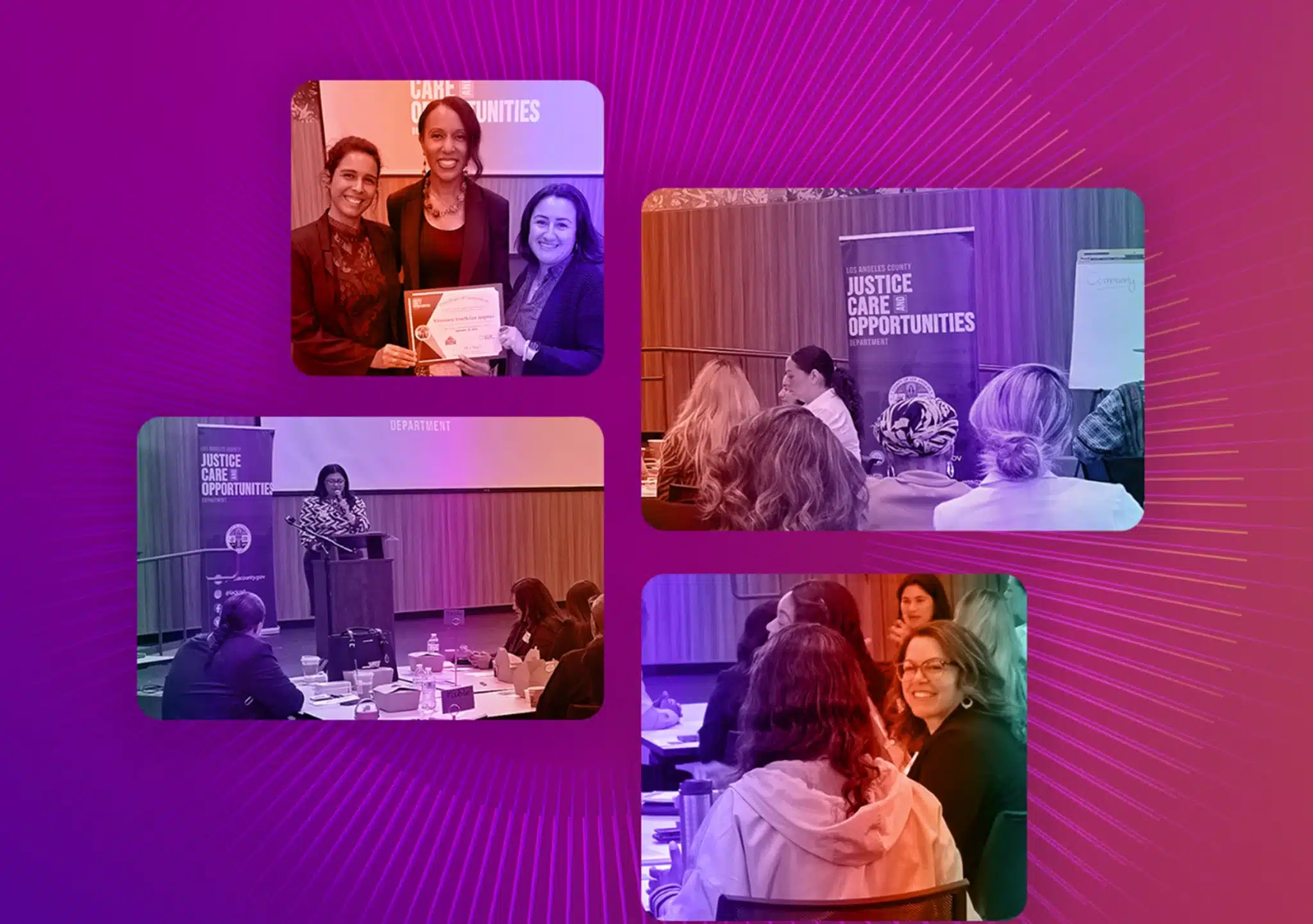
Best for: Custom WordPress development, government agencies, and nonprofit organizations Since 2003, Ripe Media has established itself as the premier choice for organizations requiring sophisticated custom web design and development solutions. This Los Angeles-based agency has built an impressive portfolio working with high-profile clients including Toyota Motor Corporation, The Walt Disney Company, LA County Justice, Care and Opportunities Department, and The Global FoodBanking Network. What sets RIPE apart is their comprehensive approach to website strategy and execution. Their services span brand strategy and visual identity, responsive website design and development, custom WordPress solutions, mobile app UX/UI, accessibility audits for ADA compliance following WCAG 2.1 guidelines, and ongoing website support. They’re particularly skilled at working with government entities and nonprofits that require complex stakeholder management and accessible, mission-driven web experiences. Notable projects include the complete digital transformation for LA County’s Justice, Care and Opportunities Department, which earned a Gold MarCom Award for its modern, accessible design that serves justice-involved individuals and their families. For The Global FoodBanking Network, RIPE developed a comprehensive branding strategy and website redesign that won a Platinum dotComm Award and strengthened donor engagement across emerging markets. Their work with the Santa Barbara Foundation resulted in a Gold Hermes Creative Award for a rebrand that authentically reflects nearly a century of community service. For B2B clients, RIPE excels at translating complex business offerings into clear, compelling digital experiences. Their work with LA Mart—a historic wholesale marketplace in Downtown Los Angeles—included a comprehensive marketing overhaul that increased both website and showroom traffic while generating a stronger pipeline of qualified leads. For manufacturing technology company Xemelgo, they developed a cohesive brand identity and website that positioned the startup for sustained success in a competitive sector. The agency has particular expertise in creating websites that serve diverse, multilingual communities. Their platform for Lux Lighting, a B2B cinematic equipment provider, showcases technical products effectively for professional buyers. For Maya’s Brigadeiro, they built a vibrant e-commerce site that conveys artisanal quality while supporting business growth. Projects like the Profiles of Hope digital initiative for LA County Department of Mental Health demonstrate RIPE’s ability to handle sensitive content with care while maintaining technical excellence. “RIPE’s ability to balance aesthetic design with functional excellence has transformed how we serve our community online,” notes a client from their government sector work. Their team is agile enough to handle quick-turnaround projects while maintaining the capacity for large-scale, multi-phase implementations. View their complete portfolio to see measurable results across diverse industries.
2. Lounge Lizard (New York, NY)
Best for: Award-winning brand integration and user experience Lounge Lizard brings nearly three decades of digital design experience, with a portfolio spanning Fortune 500 companies and innovative startups. Their approach integrates brand strategy directly into web development, ensuring visual identity and digital experience work in concert. The agency is known for sophisticated UI/UX design that prioritizes conversion while maintaining creative excellence. Their work with financial services, healthcare, and entertainment clients demonstrates versatility across regulated and creative industries. Lounge Lizard’s digital strategy extends beyond launch, offering comprehensive digital marketing integration to drive sustained results.
3. Blue Fountain Media (New York, NY)
Best for: Enterprise web platforms and marketing automation Blue Fountain Media specializes in creating enterprise-level web solutions that integrate seamlessly with complex marketing technology stacks. Their expertise extends to Sitecore, Adobe Experience Manager, and custom CMS platforms that serve organizations with significant content management needs. The agency excels at digital transformation projects that require migrating legacy systems while maintaining business continuity. Their data-driven approach ensures websites are optimized for performance from launch, with ongoing analytics and conversion rate optimization. Blue Fountain’s client roster includes Canon, P&G, and NFL, demonstrating their capability with high-traffic, high-stakes digital properties.
4. Sagittarius Marketing (Fort Worth, TX)
Best for: Data-driven design with measurable ROI Sagittarius Marketing approaches web design and development through a conversion-focused lens, prioritizing business outcomes over purely aesthetic considerations. Their methodology includes extensive user research, A/B testing protocols, and heat mapping analysis that informs design decisions. The agency is particularly strong in creating websites for manufacturing, healthcare, and B2B service industries where technical credibility matters. Their transparent reporting and focus on lead quality over vanity metrics appeals to organizations seeking concrete business value. Sagittarius offers ongoing optimization services that continue to improve website performance post-launch.
5. Isadora Agency (Denver, CO)
Best for: B2B technology and SaaS websites Isadora Agency has built a reputation for creating websites that effectively communicate complex technology offerings to sophisticated business buyers. Their expertise in the B2B tech space means they understand how to structure content for multiple decision-makers and extended sales cycles. The agency excels at creating demo-driven experiences that showcase software capabilities while maintaining fast load times. Their work includes integration with marketing automation platforms like HubSpot and Marketo, ensuring websites function as lead generation engines. Isadora’s portfolio demonstrates particular strength with cybersecurity, cloud services, and enterprise software companies.
6. Ironpaper (Charlotte, NC / New York, NY)
Best for: B2B lead generation and revenue-focused design Ironpaper positions itself as a growth agency rather than a traditional web design firm, with every design decision tied to revenue impact. Their websites incorporate sophisticated lead capture mechanisms, progressive profiling, and personalization that adapts to visitor behavior. The agency is particularly skilled at creating content architectures that support complex B2B buyer journeys with multiple touchpoints. Their integration expertise extends to Salesforce, HubSpot, and custom CRM platforms, ensuring marketing and sales alignment. Ironpaper’s performance-based approach includes ongoing conversion optimization and lead quality analysis.
7. Huemor (Pittsburgh, PA)
Best for: Brand differentiation through creative web design Huemor focuses on helping companies stand out in crowded markets through distinctive visual design and unique user experiences. Their portfolio showcases bold creative choices that break from conventional web design patterns while maintaining usability. The agency is particularly effective for brands that have struggled with generic-looking websites and need to establish stronger market positioning. Their user research includes competitive analysis that identifies opportunities for differentiation. Huemor’s work spans consumer brands, professional services, and mid-market B2B companies seeking to elevate their digital presence.
8. Constructive (Brooklyn, NY)
Best for: Nonprofit and social impact organizations Constructive specializes exclusively in creating digital experiences for nonprofits, foundations, and mission-driven organizations. Their deep understanding of nonprofit challenges—from donor cultivation to volunteer engagement—informs every design decision. The agency is experienced with integration of donation platforms, volunteer management systems, and storytelling-focused content strategies. Their expertise extends to accessibility compliance and multilingual capabilities critical for reaching diverse communities. Constructive’s portfolio includes notable organizations like United Way, Human Rights Watch, and various environmental advocacy groups, demonstrating impact at scale.
9. Eight25Media (Silicon Valley, CA)
Best for: Tech startups and product launches Eight25Media brings Silicon Valley sensibilities to web design, with particular expertise in creating digital experiences for technology companies and product-focused startups. Their approach prioritizes mobile-first design and performance optimization critical for tech-savvy audiences. The agency is skilled at creating websites that balance product education with lead generation for early-stage companies. Their experience includes numerous product launch websites that need to generate immediate traction and investor interest. Eight25Media’s proximity to the tech ecosystem means they understand the unique pressures and timelines of startup growth.
10. Big Drop Inc (New York, NY)
Best for: Full-service digital with creative excellence Big Drop Inc offers comprehensive digital services that extend beyond website design to include branding, animation, and digital marketing. Their creative team brings advertising agency sensibilities to web development, resulting in visually striking experiences that don’t sacrifice functionality. The agency is particularly effective for brands undergoing rebranding efforts where website and identity need to evolve in tandem. Their portfolio spans industries including healthcare, finance, retail, and professional services. Big Drop’s project management approach includes clear milestones and collaborative processes that keep clients informed throughout development.
How to Choose from the Top Web Design and Development Agencies
Selecting the best web design agency for your organization requires careful evaluation of several critical factors: Project Scope and Complexity: Consider whether you need a simple brochure site, a complex e-commerce platform, a member portal, or a complete digital ecosystem. Agencies like Ripe Media excel with complex, multi-stakeholder projects requiring custom development, while others specialize in rapid deployment using established frameworks. The complexity of your content management needs, integration requirements, and user interaction patterns should guide your selection. Industry Experience: Agencies with deep experience in your sector understand regulatory requirements, audience expectations, and competitive dynamics. Government agencies must comply with accessibility standards under Section 508 of the Rehabilitation Act, while healthcare organizations need HIPAA-compliant forms and privacy protections. Nonprofit organizations benefit from agencies experienced with donation integration and storytelling-focused design. According to research from the Nielsen Norman Group, industry-specific design patterns significantly improve user task completion rates. Technical Requirements: Evaluate your existing technology stack, preferred CMS platform, required integrations, and mobile experience needs. WordPress powers approximately 43% of all websites globally, making it the most common CMS platform, but enterprise organizations may require Drupal, Sitecore, or custom solutions. Consider whether you need headless CMS architecture for omnichannel content delivery, progressive web app capabilities, or specific API integrations with CRM, marketing automation, or e-commerce platforms. Budget and Timeline: Website design costs vary dramatically based on scope and complexity. According to industry data from various digital agency surveys, simple brochure websites typically cost $10,000-$30,000, custom business websites range from $30,000-$100,000, and complex enterprise platforms can exceed $250,000. Be realistic about your constraints, but understand that investing appropriately in strategy and user experience typically yields significantly better long-term results than cutting corners. Ongoing Support Needs: Websites require ongoing maintenance, security updates, content changes, and feature enhancements. Some agencies excel at initial development but provide limited post-launch support, while others offer comprehensive retainer services. Consider your internal team’s capabilities and whether you need ongoing strategic partnership or prefer to manage the site independently after launch. Agencies like Ripe Media that offer ongoing support can help ensure your site remains secure, performs well, and evolves with your needs. Design Philosophy: Review agency portfolios to understand their aesthetic approach and whether it aligns with your brand. Some agencies favor bold, creative differentiation while others prioritize clean, conversion-focused design. The best website balances brand expression with usability and business objectives. According to research on web credibility from Stanford University, users form design-based judgments about website credibility within 50 milliseconds of page load. When evaluating agencies, request detailed case studies that demonstrate measurable outcomes, not just pretty screenshots. Ask about their process, communication cadence, and how they handle challenges when they arise. Strong agencies will ask probing questions about your business objectives, target audiences, and success metrics rather than jumping straight to design concepts. For additional guidance on effective agency selection, review resources from Smashing Magazine on choosing web design and development agencies.
Frequently Asked Questions
What makes web design and development agencies “top-tier”?
Top agencies combine strong design capabilities with technical expertise, strategic thinking, and proven business results. They demonstrate clear ROI through metrics like conversion rates, user engagement, lead quality, and ultimately revenue impact. Elite agencies also excel at project management, maintaining clear communication and delivering on promises.
How much do web design and development agencies cost in 2026?
Custom website design varies significantly based on scope and complexity. Simple brochure sites typically cost $10,000-$30,000, business websites with custom functionality range from $30,000-$100,000, and enterprise platforms with complex integrations can exceed $250,000. These figures reflect strategic planning, custom design, development, content creation, and quality assurance. Lower-cost options exist through template-based platforms, but they sacrifice customization and strategic guidance. We provide a handy web design cost calculator on our website.
Should I choose WordPress, Drupal, or a custom CMS?
WordPress serves 80% of content management needs effectively, offering extensive plugin ecosystems and manageable long-term costs. Organizations choose WordPress for its balance of flexibility, ease of use, and community support. Drupal suits complex, enterprise-level sites requiring sophisticated content workflows and security protocols. Custom CMS platforms make sense only when specific business requirements can’t be met through existing solutions—typically at significantly higher development and maintenance costs. The right choice depends on your content volume, user permissions complexity, integration needs, and internal technical capabilities.
How long does it take to design and launch a new website?
Timeline varies by project scope. A straightforward business website with modest functionality typically requires 8-12 weeks from kickoff to launch. More complex sites with custom features, extensive content migration, or multiple integrations often need 4-6 months. Enterprise platforms with sophisticated requirements can extend to 9-12 months. These timelines assume reasonable client responsiveness for feedback and content provision. Rushing the process typically compromises quality, while excessive timeline extensions often indicate scope creep or inadequate planning.
What’s the difference between web design and development?
Web design focuses on visual aesthetics, user experience, and interaction design—essentially how the site looks and feels. Web development handles the technical implementation, making designs functional through code. Front-end development creates what users see and interact with, while back-end development manages databases, server logic, and application functionality. Most successful projects require both design and development expertise working in concert. Agencies like Ripe Media integrate both disciplines, ensuring beautiful designs are also technically sound and maintainable.
Do I need a responsive design or should I build separate mobile and desktop sites?
Responsive design—where a single website adapts to different screen sizes—is the current industry standard and best practice. Separate mobile sites create maintenance headaches, SEO complications, and inconsistent user experiences. According to Google’s mobile-first indexing approach, responsive design is strongly preferred. With mobile traffic exceeding 60% for many organizations, mobile experience must be excellent, not an afterthought. Responsive frameworks also support tablets, large displays, and emerging device types without additional development.
How important is website speed and performance?
Website performance directly impacts business outcomes. Research from Google on page speed indicates that as page load time increases from one to three seconds, bounce probability increases 32%. For e-commerce, a one-second delay in page response can result in a 7% reduction in conversions. Beyond user experience, Google incorporates page speed into search rankings through Core Web Vitals metrics. Fast-loading websites also reduce server costs and carbon footprint. Performance optimization should be built into the development process, not treated as an afterthought. Learn more about performance best practices at Web.dev.
You Might Also Like
Related Posts

Share this: