THE RIPE STUFF
23 Sep ‘25
How to Increase Online Visibility: Strategies That Actually Work
23 Sep ‘25
In: Marketing, Search Engine Optimization (SEO), / By: Chris Simental
The Visibility Challenge in Today’s Digital Landscape: How to Increase Online Visibility
In a world where 68% of online experiences begin with a search engine, visibility isn’t just a nice-to-have, it’s essential for survival. At Ripe Media, we’ve spent over 20 years helping organizations break through the digital noise to connect meaningfully with their audiences. The challenge? Digital visibility rules keep changing, with AI search transforming how people find and interact with content online.

Understanding how to increase online visibility is crucial for any organization aiming to thrive in this competitive environment.
Whether you’re a nonprofit competing for attention, a government agency trying to reach constituents, or a business looking to generate qualified leads, the fundamentals of increasing online visibility remain consistent, even as the tools evolve.
Key Takeaways:
- Strong online visibility requires a multi-channel approach beyond traditional SEO
- AI search optimization is now essential for modern visibility strategies
- User experience and accessibility directly impact visibility metrics
- Content strategy must align with both human needs and search algorithms
- Consistent measurement and adaptation are critical for sustained visibility
The Foundation: Strategic Content That Serves Two Masters
The cornerstone of online visibility is content that serves both human readers and search algorithms. According to a recent Content Marketing Institute study, 73% of successful B2B marketers use content marketing to build credibility and trust with their audiences.
Creating visibility-boosting content requires:
- Deep audience understanding: What questions are they asking? What problems need solving?
- Strategic keyword research: Identify terms with meaningful search volume and relevance
- Content with purpose: Every piece should solve a specific problem or answer a clear question
- Consistent publishing: Regular content updates signal relevance to search engines
When developing your AI content and SEO strategy, remember that visibility comes from being genuinely helpful, not just technically optimized.
Practical Content Strategy in Action
When we worked with the Global FoodBanking Network, their content strategy transformation demonstrates these principles perfectly. We discovered their audiences weren’t just looking for donation opportunities—they needed education about food insecurity, volunteer guidance, and impact stories.
Here’s how to apply this approach:
Step 1: Audit your current content gaps
- Review your analytics to identify high-traffic pages with poor engagement
- Survey your audience about unanswered questions in your field
- Analyze competitor content that’s performing well in search results
Step 2: Create content clusters around core topics
- Build comprehensive resource hubs rather than standalone articles
- Link related content internally to demonstrate topical authority
- Update and expand successful content rather than always creating new pieces
Step 3: Optimize for featured snippets
- Structure content to directly answer common questions
- Use numbered lists, bullet points, and clear definitions
- Include comparison tables when relevant to your topic
How to Increase Online Visibility Through Technical Excellence
Technical optimization creates the infrastructure for visibility. Our work with Lux Lighting demonstrated how technical improvements directly increased their qualified leads by 32% within three months.
Focus on these technical elements:
- Site speed: 53% of mobile users abandon sites that take over 3 seconds to load
- Mobile optimization: Google prioritizes mobile-friendly sites in rankings
- Structured data: Help search engines understand and feature your content
- Internal linking: Create clear pathways for both users and search crawlers
- Accessibility: Sites meeting WCAG standards typically rank higher and reach wider audiences
The Web Performance Working Group offers excellent resources for improving technical performance that directly impacts visibility.

Real-World Technical Implementation
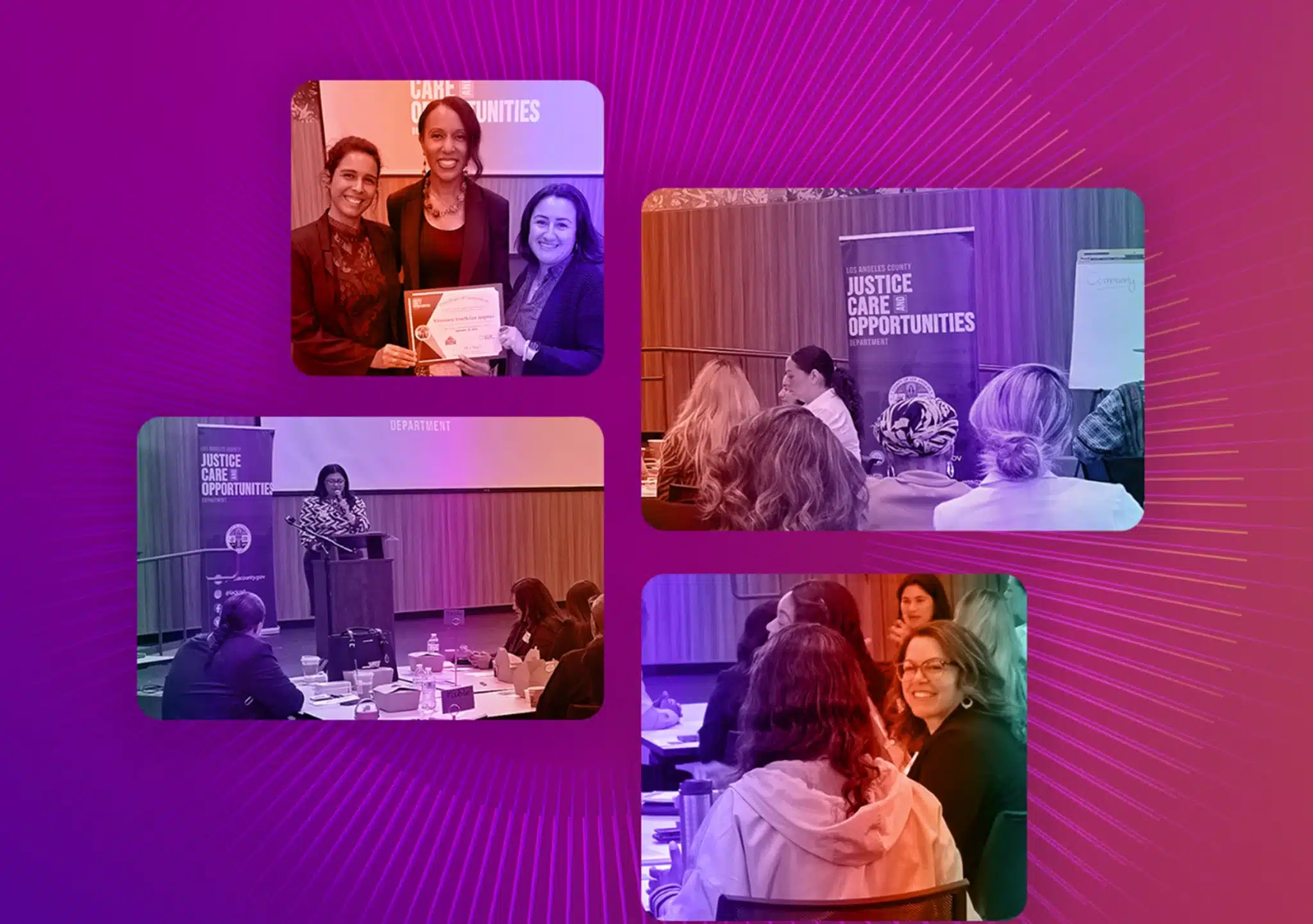
Our collaboration with LA County’s Justice, Care and Opportunities Department (JCOD) showcases how technical excellence directly impacts visibility for mission-critical organizations.
The Challenge: JCOD needed to serve justice-involved individuals and their families—a vulnerable population requiring clear, accessible information during stressful situations.
Our Technical Approach:
- Accessibility-first design: We implemented WCAG 2.1 AA compliance from the ground up
- Mobile-optimized experience: 78% of JCOD’s audience accesses services via mobile devices
- Fast-loading resources: Optimized images and streamlined code reduced load times by 60%
- Clear navigation structure: Simplified menu architecture improved user task completion by 45%
The Result: The site earned a Gold MarCom Award and significantly improved how constituents access vital services.
How to implement similar improvements:
- Conduct a technical SEO audit: Use tools like Google PageSpeed Insights, GTmetrix, and SEMrush
- Prioritize mobile experience: Test your site on actual devices, not just browser tools
- Implement structured data: Start with basic schema for your organization, articles, and FAQs
- Optimize images: Use WebP format and proper alt text for all visual content
- Create XML sitemaps: Help search engines discover and index your content efficiently
Beyond Search: Multi-Channel Visibility Strategy
While search engines remain crucial, comprehensive visibility requires presence across multiple channels.
When we revitalized LA Mart’s digital presence, we implemented a coordinated approach:
- Social media engagement to build community and drive referral traffic
- Email marketing with 38% open rates (12% above industry average)
- Strategic partnerships with complementary organizations
- Digital PR securing mentions in relevant industry publications
- Video content with optimized metadata for YouTube search visibility
Each channel strengthens the others, creating a visibility ecosystem that’s greater than the sum of its parts.
Multi-Channel Strategy Framework
The LA Mart transformation illustrates how integrated visibility strategies compound results. This historic Downtown Los Angeles marketplace needed to attract both wholesale buyers and the design community.
Channel Integration Strategy:
Content Marketing Hub: We created educational content about home decor trends that served both audiences
- Blog posts about seasonal design trends drove organic search traffic
- These same insights became social media content and email newsletter features
- Video walkthroughs of showrooms generated YouTube visibility and social shares
Community Building:
- Hosted designer meetups that generated local press coverage
- Created Instagram-worthy spaces that encouraged user-generated content
- Developed relationships with interior design influencers for authentic mentions
Email & Social Synergy:
- Email subscribers received exclusive content that they shared on social platforms
- Social media followers were invited to join email lists for deeper engagement
- Cross-promotion between channels increased overall engagement by 65%
How to build your multi-channel approach:
- Start with content that works across channels: Create long-form content that can be broken into social posts, email series, and video scripts
- Establish consistent messaging: Ensure your brand voice remains recognizable across all platforms
- Track cross-channel attribution: Use UTM codes and analytics to understand how channels influence each other
- Repurpose strategically: Transform one piece of research into multiple content formats for different platforms
The Power of User Experience in Visibility
Search engines increasingly prioritize user experience signals. Our work with Pathways LA demonstrates how UX improvements directly impact search performance.
Before our redesign: High bounce rates and low engagement signaled poor user experience to search engines After optimization:
- 40% reduction in bounce rate
- 60% increase in pages per session
- 35% improvement in organic search rankings
UX elements that boost visibility:
Clear Information Architecture: Visitors should find what they need within 3 clicks
- Create logical menu structures that match how users think about your content
- Use descriptive navigation labels instead of creative but confusing terms
- Implement breadcrumb navigation to help both users and search engines understand site structure
Compelling Calls-to-Action: Guide users toward valuable actions
- Position primary CTAs above the fold on key pages
- Use action-oriented language that creates urgency or value
- A/B test button colors, text, and placement for optimal performance
Fast, Accessible Design: Technical performance impacts both user satisfaction and search rankings
- Optimize images without sacrificing visual quality
- Ensure keyboard navigation works throughout your site
- Use sufficient color contrast for all text elements
Measuring What Matters: Visibility Metrics That Drive Decisions
You can’t improve what you don’t measure. Effective visibility tracking includes:
| Metric Category | Key Indicators | Business Impact |
|---|---|---|
| Search Performance | Organic traffic, keyword rankings, featured snippets | Direct acquisition |
| Engagement | Time on site, pages per session, bounce rate | Content effectiveness |
| Authority | Backlinks, domain authority, brand mentions | Industry position |
| Conversions | Goal completions, form submissions, downloads | Revenue/mission impact |
According to the Association of National Advertisers, organizations that regularly track and optimize these metrics achieve 25% better ROI on their digital marketing investments.
Advanced Measurement Strategies
Our ongoing partnership with CourseLoop, a global B2B education technology company, demonstrates sophisticated measurement in action.
Multi-layered Analytics Approach:
- Traditional SEO metrics: Tracked keyword rankings and organic traffic growth
- User experience indicators: Monitored scroll depth, click-through rates, and form completion rates
- Business intelligence: Connected website performance to actual lead quality and sales outcomes
- Competitive analysis: Benchmarked performance against industry leaders quarterly
Key Performance Indicators That Matter:
- Qualified traffic growth: Not just more visitors, but visitors who match your ideal customer profile
- Content engagement depth: Which pieces drive the most valuable user behaviors
- Conversion path analysis: Understanding which visibility channels produce the best customers
- Brand mention quality: Tracking not just quantity but context and sentiment of online mentions
Tools for comprehensive measurement:
- Google Analytics 4 for user behavior insights
- Google Search Console for technical SEO monitoring
- SEMrush or Ahrefs for competitive keyword tracking
- Brand monitoring tools like Mention or Google Alerts
- Heat mapping tools like Hotjar for user experience optimization
The Human Element: Why Trust Drives Visibility
Technical optimization only gets you so far. True visibility comes when people share, reference, and return to your content. Building this trust requires:
- Authentic expertise: Demonstrate genuine knowledge in your field
- Consistency: Regular communication builds familiarity and reliability
- Transparency: Be open about who you are and what you stand for
- Value delivery: Every interaction should provide something meaningful
At Ripe Media, we’ve found that when organizations focus on building genuine connections rather than just chasing metrics, visibility naturally follows.
Building Authority Through Authentic Expertise
Our long-term partnership with the Santa Barbara Foundation exemplifies how authentic expertise drives sustainable visibility. After nearly a century of service, they needed to revitalize their brand while honoring their deep community roots.
Research-Driven Approach:
- Conducted extensive interviews with community members, donors, and beneficiaries
- Analyzed successful foundation communications across similar markets
- Identified gaps between the foundation’s actual impact and public perception
Expertise Demonstration Strategy:
- Created comprehensive community impact reports with original data analysis
- Developed thought leadership content addressing local philanthropy challenges
- Established the foundation president as a quoted expert in local media
Results: The rebrand enhanced supporter engagement and improved the foundation’s capacity to address community needs, with their redesigned website earning a Gold award in the Nonprofit category at the 2018 Hermes Creative Awards.
How to build authentic expertise:
- Document your unique insights: What do you know that others in your field don’t discuss openly?
- Share real results: Use specific case studies and data rather than generic success stories
- Engage in industry conversations: Comment thoughtfully on relevant LinkedIn posts and industry publications
- Create original research: Surveys, studies, or trend analyses that provide new information to your field
- Be consistently helpful: Answer questions in forums, provide free resources, and share valuable insights without always promoting your services
FAQ: How to Increase Online Visibility
What’s the fastest way to increase online visibility?
While there’s no instant solution, improving technical SEO fundamentals (site speed, mobile optimization, metadata) typically yields the quickest visibility improvements, often within 4-8 weeks.
How important is social media for online visibility?
Very important—social signals correlate with better search rankings, and platforms like LinkedIn and Twitter often appear high in search results for brand names, essentially functioning as additional visibility touchpoints.
Does paid advertising help with organic visibility?
Indirectly, yes. While paid ads don’t directly improve organic rankings, they increase brand awareness, which leads to more brand searches, clicks, and engagement—all signals that can positively influence organic visibility.
How often should we update our website content for better visibility?
Regular updates signal relevance to search engines. Aim for at least monthly content updates to core pages and weekly blog posts for optimal visibility improvements.
How do we optimize for voice search visibility?
Focus on conversational keywords, question formats, and featured snippet optimization. Voice searches typically use natural language patterns and longer queries than typed searches.
What role does mobile optimization play in visibility?
Critical—Google uses mobile-first indexing, meaning it primarily uses the mobile version of content for ranking and indexing. Poor mobile experience directly hurts visibility across all platforms.
How long does it take to see results from visibility efforts?
For new sites, expect 6-12 months for significant visibility improvements. Established sites may see changes within 3-4 months of implementing comprehensive optimization strategies.
What’s the biggest mistake organizations make with online visibility?
Focusing solely on search engine optimization while ignoring user experience. The most visible sites provide genuine value to their audiences, not just technical optimization for algorithms.

Chris Simental is a creative problem-solver, tech strategist, and co-founder of RIPE, a digital agency helping mission-driven organizations streamline their workflows, optimize their websites, and make technology work for them—not against them. With nearly two decades of experience working with brands like Disney, CBS, Toyota, and American Express, he specializes in web design, UX, and automation. When he’s not tackling complex digital challenges, he’s brewing award-winning beer, making music, or reminiscing about his days as a ranch hand.
You Might Also Like
Related Posts



Share this: