THE RIPE STUFF
4 May ‘26
Top Nonprofit Web Design Agencies 2026
4 May ‘26
In: Marketing, Nonprofit Resources, / By: Ripe Media
Key Takeaways
- Nonprofit web design requires more than visual appeal. Donor conversion, volunteer recruitment, accessibility compliance, and CRM integration are non-negotiable.
- The best nonprofit agencies understand mission-driven storytelling, not just design trends.
- Most reputable agencies offer nonprofit pricing discounts of 15–25%; some work within grant funding cycles.
- WordPress remains the dominant CMS for nonprofits due to cost, flexibility, and staff manageability.
- ADA/WCAG accessibility compliance is both an ethical requirement and increasingly a legal one, especially for government-funded organizations.
- Choosing a long-term partner matters as much as the initial build. Your site needs to grow with your mission.
Your nonprofit’s website is doing more than representing your brand. It’s the first place a major donor decides whether you’re credible. It’s where a grant reviewer looks for proof of impact. It’s where a volunteer finds out how to get involved at 11pm on a Tuesday. A generic agency that treats your site like a small business brochure will miss all of that.
The agencies on this list understand the nonprofit sector, not just the design brief. They’ve built sites for organizations where the stakes are real: funding decisions, community trust, and in some cases, the people your mission exists to serve.
Here’s what we evaluated: nonprofit sector experience, accessibility and compliance track record, CMS flexibility (particularly WordPress), donation and CRM integration capability, post-launch support, and transparent pricing for mission-driven budgets.
What Makes a Nonprofit Web Design Agency Worth Hiring
Before the list, it’s worth laying out what actually separates a nonprofit-fluent agency from one that simply lists nonprofits among its past clients.
- They start with your mission, not your mockup. A discovery phase that understands your audience segments, funding goals, and community relationships should come before any design work begins. Agencies that skip straight to layouts are a red flag.
- They know donor psychology. Donation flows, recurring giving prompts, and impact storytelling are conversion disciplines, not aesthetic choices. The wrong button placement or an extra form field genuinely costs donations. According to research on nonprofit giving behavior, donors are significantly more likely to give again — and give more — through a branded, trust-signaling page than a generic one.
- They build for accessibility from the start. WCAG 2.1 compliance isn’t an add-on, it’s a baseline requirement for any organization that serves the public, receives government funding, or cares about equity. Retrofitting accessibility is expensive; building it in isn’t.
- They integrate with your fundraising tech stack. Salesforce NPSP, DonorPerfect, Bloomerang, Raiser’s Edge, GiveWP; your website needs to work with these tools, not alongside them as an afterthought.
- They don’t disappear after launch. Nonprofit staff aren’t always technically skilled, and budgets don’t always support a dedicated webmaster. The right agency builds something your team can manage and stays available when you can’t.
Ripe Media Our Pick
Los Angeles, CA
Ripe Media has been building websites for nonprofits, government agencies, and mission-driven organizations for over 20 years. That’s not a marketing claim, it’s reflected in a client list that spans LA County government bodies, early childhood education nonprofits, and national organizations with complex digital needs.
What distinguishes Ripe from most agencies on this list is breadth paired with genuine mission alignment. They handle the full stack: brand strategy, custom WordPress development, ADA accessibility compliance, SEO, eLearning and LMS integration, and long-term maintenance. For nonprofits that need a single trusted partner rather than a rotating cast of specialists, that matters.
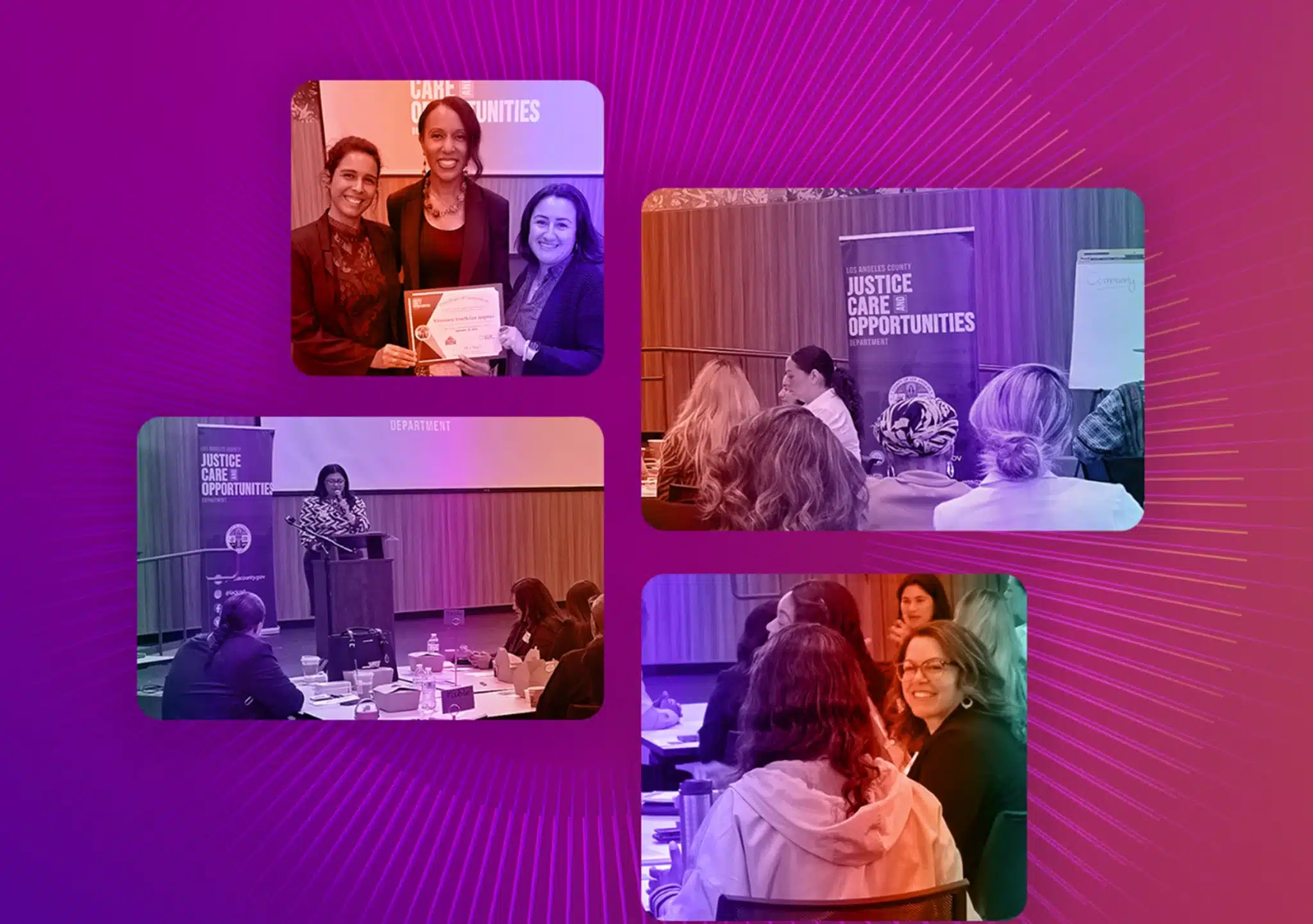
Their work with Pathways LA — an early childhood education nonprofit — demonstrates their ability to balance community-facing storytelling with the technical requirements of a modern nonprofit site: accessible design, integrated content management, and a platform that staff can manage without a developer for day-to-day updates. They also offer flexible engagement structures that can align with grant funding cycles, which is a practical advantage most agencies don’t think to offer.
Best for: Nonprofits that want a long-term digital partner, not just a build. Particularly strong for LA-area organizations, educational nonprofits, government-adjacent organizations, and any mission-driven org that also needs eLearning or training portal capabilities.
Briteweb
Vancouver, BC (serves U.S. clients)
Briteweb works exclusively with nonprofits, foundations, and social impact organizations. They combine brand strategy with web design; useful for organizations going through a rebrand alongside a site rebuild. Their client roster skews toward large, established foundations and nationally recognized nonprofits.
Best for: Well-funded nonprofits and foundations that need a brand-led approach to a major digital overhaul.
Echo&Co
Washington, D.C.
Echo&Co focuses on nonprofits, foundations, and public sector organizations. They’re known for deep strategy work before design begins; useful for organizations that have outgrown their current site and need to rethink their digital presence from the ground up, not just refresh it visually.
Best for: Advocacy organizations and environmental nonprofits with complex audiences and content strategies.
Cornershop Creative
Washington, D.C.
Cornershop Creative has one of the largest nonprofit-specific client bases of any agency on this list — over 600 organizations. Their focus is on custom WordPress builds with strong post-launch support, which makes them a solid option for nonprofits that know they’ll need ongoing help managing their site after launch.
Best for: Small to mid-sized nonprofits that prioritize long-term support and want WordPress with genuine nonprofit-specific functionality built in.
Elevation
Charlotte, NC
Elevation focuses exclusively on nonprofits and has a strong track record with large, recognizable organizations. They cover web design, branding, and ongoing digital marketing under one roof. Their nonprofit-only focus means they don’t have to context-switch between mission-driven work and commercial clients.
Best for: Mid-to-large nonprofits that want an agency deeply embedded in the sector and capable of long-term marketing engagement beyond the website.
Social Driver
Washington, D.C.
Social Driver brings together digital design, video production, and strategic planning. A good fit for nonprofits that need to tell their story across channels, not just on a website. Their work with national associations and health-focused nonprofits shows range across audience types.
Best for: Nonprofits with active content and communications programs that need a partner who can handle more than web design.
Wired Impact
Remote (U.S.-based)
Wired Impact occupies a useful middle ground between DIY builders and fully custom agencies. They offer a nonprofit-specific WordPress platform with built-in donation forms, volunteer management, and event tools, at pricing structured for smaller organizations. Useful if budget is the primary constraint and you’re willing to work within their platform’s boundaries.
Best for: Smaller nonprofits with tight budgets that need something professional and functional without a large upfront investment.
Firespring
Lincoln, NE
Firespring offers broad nonprofit marketing services — web design, SEO, campaign landing pages, and even commercial printing — making them a one-stop shop for nonprofits with varied marketing needs. Their wide service range is useful for organizations that prefer a single vendor relationship over coordinating multiple specialists.
Best for: Nonprofits that need integrated marketing support across digital and print channels from a single agency.
Quick Comparison
| Agency | Location | Best For | Nonprofit-Only? |
|---|---|---|---|
| Ripe Media | Los Angeles, CA | Full-service, long-term partner; eLearning + web | No; also serves government, B2B |
| Briteweb | Vancouver, BC | Brand-led rebuilds for large foundations | Yes |
| Echo&Co | Washington, D.C. | Advocacy orgs with complex strategy needs | Yes |
| Cornershop Creative | Washington, D.C. | WordPress + strong post-launch support | Yes |
| Elevation | Charlotte, NC | Mid-to-large nonprofits, full marketing | Yes |
| Social Driver | Washington, D.C. | Content-heavy orgs needing video + web | No; social impact focus |
| Wired Impact | Remote | Small nonprofits, budget-constrained | Yes |
| Firespring | Lincoln, NE | Integrated marketing + print + web | No; SMB + nonprofit |
How to Choose the Right Agency for Your Nonprofit
Start with your goals, not your budget
Budget matters, but it shouldn’t be the first filter. Start by getting clear on what you need the website to actually accomplish: Is the primary goal donor acquisition? Volunteer recruitment? Grant credibility? Community education? Different goals require different design and functionality decisions. And different agencies are stronger in different areas.
Ask about their nonprofit web design portfolio specifically
Any agency can say they work with nonprofits. Ask to see three or four nonprofit sites they’ve built recently, and talk to the clients if possible. Look for evidence they understand your type of organization. The difference between a community health nonprofit and a national advocacy organization is significant from a design and strategy standpoint.
Understand what post-launch looks like
A website is not a one-time purchase. Ask specifically: what happens after we launch? Do you offer ongoing maintenance? What does a support retainer look like? Can our staff manage content without a developer? Website maintenance is often where the real value of an agency relationship shows up — or where it falls apart.
Get clear on accessibility
WCAG 2.1 AA compliance is a baseline for any organization that serves the public or receives government funding. Ask directly: do you build to WCAG 2.1 AA standards? How do you test for it? What happens if issues are found post-launch? If an agency hedges on this question, that’s a signal.
Ask about pricing structures for nonprofits
Most reputable agencies offer nonprofit discounts, typically 15–25% off standard rates. Some will structure payment to align with grant cycles or fiscal year timing. Don’t assume this is off the table; many agencies appreciate clients who ask directly rather than just accepting the standard proposal. See our web design pricing guide for current rate benchmarks to help you evaluate quotes.
How much does nonprofit web design cost in 2026?
Most professionally designed nonprofit websites land between $8,000 and $30,000 depending on complexity, feature requirements, and agency size. Simpler sites with standard donation integration and a modest page count can come in lower. Large rebuilds with CRM integration, custom functionality, and accessibility auditing run higher. Many agencies offer nonprofit discounts, so ask explicitly. For a full breakdown of what drives pricing, see our 2026 web design pricing guide.
What CMS is best for nonprofit websites?
WordPress is the dominant choice for good reasons: it’s open source (no licensing cost), flexible enough for most nonprofit needs, and manageable by non-technical staff with a properly built back end. It integrates with the major nonprofit tech tools — Salesforce, donation platforms, email marketing systems — and has a large enough ecosystem that finding ongoing support is never a problem. Some larger organizations use Drupal for complex needs; smaller ones sometimes use Squarespace for simplicity. For most nonprofits, WordPress with a well-built theme and the right plugins is the right answer.
Do nonprofit web design agencies offer discounts?
Most do, though not always advertised upfront. Standard nonprofit discounts run 15–25% off agency rates. Some agencies also offer pro bono work for smaller organizations, though availability is limited. If you’re working within grant funding, ask whether the agency can structure the engagement to align with your funding cycle. Many are willing to be flexible on payment timing when asked directly.
What should a nonprofit website include that a regular business site doesn’t?
At minimum: a friction-minimized donation flow (mobile-friendly, with recurring gift options), an impact reporting section with real data, volunteer or involvement pathways, event registration capability, ADA accessibility compliance, and clear organizational credibility signals (leadership, financials, accreditations). Depending on your model, you may also need membership portals, grant reporting dashboards, or multilingual support.
How long does a nonprofit website redesign take?
Most nonprofit website projects run 8–16 weeks from kickoff to launch, depending on size and complexity. The biggest variables: how quickly your team can review and approve, whether content migration is involved, and how many integrations need to be built and tested. Having your content, photography, and brand assets ready before kickoff consistently shaves two to four weeks off the timeline.
Working with a mission-driven agency matters.
Ripe Media has spent 20+ years building digital presences for nonprofits, government agencies, and educational organizations across Los Angeles and nationwide. If you’re planning a website project, we’re happy to talk through what it would take. No pressure!
You Might Also Like
Related Posts


Share this: