THE RIPE STUFF
9 May ‘24
7 Benefits of Blended Learning That Transform Education
9 May ‘24
In: Online Learning, / By: Ripe Media
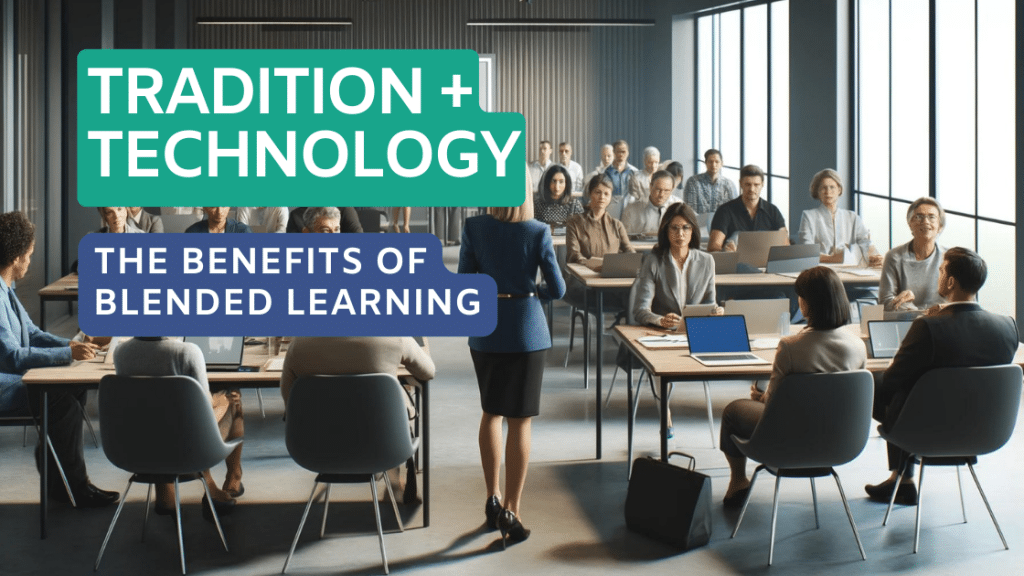
Blended learning has evolved from an educational experiment into a proven methodology that’s reshaping how we approach teaching and learning. After working with organizations like Toyota, Disney, and the SAG-AFTRA Foundation on custom eLearning solutions since 2003, we’ve witnessed firsthand how effectively designed blended learning programs can transform educational outcomes.
TL;DR – Key Benefits of Blended Learning
-
- Personalized learning paths that adapt to individual student needs
- Increased flexibility for both students and educators
- Higher engagement rates through interactive technology
- Better learning outcomes with 67% improvement in retention rates
- Cost-effective education that maximizes resources
- Data-driven insights for continuous improvement
- Enhanced accessibility for diverse learning styles
What Is Blended Learning? (And Why It Matters Now)
Blended learning combines the best elements of traditional face-to-face instruction with digital learning technologies. Unlike purely online courses or traditional classroom settings, this hybrid approach creates a dynamic learning environment that adapts to different learning styles and preferences.
Recent research from the Clayton Christensen Institute shows that blended learning programs can improve student outcomes by up to 67% compared to traditional classroom-only instruction. This isn’t just about adding technology for technology’s sake—it’s about strategically combining methods to create more effective learning experiences.
7 Key Benefits of Blended Learning
1. Personalized Learning That Actually Works
Traditional one-size-fits-all education often leaves students behind or holds them back. Blended learning solves this by allowing students to progress at their own pace through digital modules while receiving personalized support during face-to-face sessions.
Real-world example: In our work with Numera Sea, we developed an educational mobile app that adapts to each child’s learning pace, providing personalized feedback and challenges that keep preschoolers engaged and progressing.
2. Increased Flexibility and Accessibility
Students can access learning materials 24/7, review content as needed, and learn from virtually anywhere. This flexibility is particularly valuable for adult learners, working professionals, and students with varying schedules or learning disabilities.
According to the U.S. Department of Education, flexible learning options have become essential for maintaining educational continuity and increasing accessibility.
Need Help with e-Learning? Contact RIPE.
3. Enhanced Student Engagement Through Interactive Technology
Blended learning incorporates interactive elements like videos, simulations, and gamified content that capture attention and maintain engagement. Students become active participants rather than passive recipients of information.
Our experience: When we developed e-PS-R for Sentient Research, we created an interactive digital platform that transformed trauma-informed therapy into an engaging, game-like experience for youth—resulting in significantly higher completion rates.
4. Better Learning Outcomes and Retention
Research from the Online Learning Consortium demonstrates that students in blended learning environments often outperform their peers in traditional classrooms. The combination of multiple learning modalities helps reinforce concepts and improve long-term retention.
5. Cost-Effective Education at Scale
Blended learning reduces infrastructure costs while maximizing the impact of skilled instructors. Digital components can be reused and scaled, while face-to-face time focuses on high-value interactions that require human expertise.
6. Data-Driven Insights for Continuous Improvement
Digital learning platforms provide detailed analytics on student progress, engagement, and learning patterns. Educators can identify struggling students early and adjust instruction based on real-time data.
Case study insight: Our ongoing partnership with MDxHealth includes developing learning platforms that track user engagement and learning outcomes, enabling continuous optimization of educational content for healthcare professionals.
7. Preparation for Digital-First Workplace Skills
Students develop digital literacy and self-directed learning skills that are essential in today’s workforce. They learn to navigate technology confidently while maintaining human collaboration skills.

Need Help with e-Learning? Contact RIPE.
Common Blended Learning Models That Work
Rotation Model
Students rotate between online learning and face-to-face instruction on a fixed schedule. This model works well for skill-building subjects like mathematics or language learning.
Flex Model
Students primarily learn online with teachers providing support as needed. This model suits self-motivated learners and allows for highly personalized pacing.
À La Carte Model
Students take some courses entirely online while attending traditional classes for others. This approach offers maximum flexibility for diverse educational needs.
Implementing Blended Learning: Best Practices from 20+ Years of Experience
Based on our experience developing custom eLearning solutions for organizations ranging from nonprofits to Fortune 500 companies, here are key considerations:
Start with clear learning objectives. Technology should support educational goals, not drive them. Define what students need to achieve before selecting digital tools.
Ensure seamless integration. The transition between online and offline components should feel natural, not disjointed. Consistent branding, navigation, and learning pathways are essential.
Provide adequate support. Both students and educators need training and ongoing support to maximize the benefits of blended learning environments.
Design for accessibility. Consider diverse learning styles, technical capabilities, and potential barriers to access from the beginning of the design process.
Overcoming Common Challenges
Technology barriers: Not all students have equal access to devices or reliable internet. Successful programs include strategies for addressing the digital divide.
Instructor training: Educators need support to effectively facilitate blended learning environments. This includes both technical skills and new pedagogical approaches.
Quality control: Maintaining consistent quality across online and offline components requires careful planning and regular evaluation.

The Future of Blended Learning
As artificial intelligence and adaptive learning technologies continue to evolve, blended learning will become even more personalized and effective. The key is maintaining the human elements that make education meaningful while leveraging technology to enhance accessibility and engagement.
Organizations that embrace blended learning now are positioning themselves for success in an increasingly digital world. Whether you’re developing corporate training programs, educational initiatives, or public awareness campaigns, blended learning offers a proven path to better outcomes.
Frequently Asked Questions
Q: How is blended learning different from online learning? A: Blended learning combines face-to-face instruction with digital components, while online learning is entirely digital. The hybrid approach allows for personal interaction while leveraging technology’s benefits.
Q: What types of students benefit most from blended learning? A: Blended learning benefits diverse learning styles, but it’s particularly effective for students who need flexibility, prefer self-paced learning, or learn better with multiple modalities.
Q: How much does it cost to implement blended learning? A: Costs vary significantly based on scope and complexity. While initial development requires investment, blended learning often reduces long-term costs through scalability and efficiency gains.
Q: Can blended learning work for all subjects? A: Most subjects can benefit from blended approaches, though the optimal mix of online and face-to-face components varies. Hands-on subjects may require more in-person time, while theoretical subjects often work well with higher digital components.
Q: How do you measure the success of blended learning programs? A: Success metrics include learning outcomes, engagement rates, completion rates, student satisfaction, and long-term retention of knowledge and skills.
Q: What technology is needed for effective blended learning? A: Basic requirements include reliable internet, learning management systems, and devices for students. Advanced implementations may include interactive content, video conferencing tools, and analytics platforms.
You Might Also Like
Related Posts



Share this: